Почему необходимо гранулировать сульфат аммония?

Сульфат аммония — это широко используемое азотное удобрение, которое играет важную роль в сельскохозяйственном производстве. Хотя оно уже активно применяется на рынке, процесс гранулирования сульфата аммония может значительно повысить его ценность и рыночный спрос. Далее мы рассмотрим, почему необходимо гранулировать сульфат аммония, с точки зрения рыночного спроса, характеристик продукта и воздействия на окружающую среду.

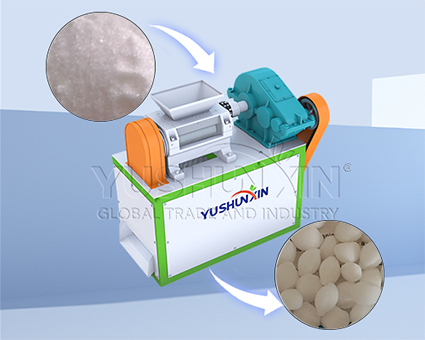
Двухвалковый гранулятор сульфата аммония

### 1. Рыночный спрос

#### 1.1 Повышение эффективности транспортировки и хранения

Гранулированный сульфат аммония легче транспортировать и хранить. В отличие от порошкового, гранулированный продукт не так подвержен слеживанию и впитыванию влаги, что позволяет ему лучше сохранять свои физические свойства при транспортировке на дальние расстояния. Кроме того, гранулированный продукт занимает меньше места, что снижает транспортные расходы и затраты на хранение.

#### 1.2 Адаптация к механизированному внесению удобрений

С развитием механизации сельского хозяйства гранулированные удобрения более подходят для использования в автоматизированных системах разбрасывания. Гранулированный сульфат аммония можно точно распределять по полям, обеспечивая равномерность и эффективность внесения, что повышает производительность сельскохозяйственного производства.

### 2. Характеристики продукта

#### 2.1 Повышение эффективности использования питательных веществ

Гранулированный сульфат аммония равномерно высвобождает питательные вещества в почве, что способствует улучшению структуры почвы и увеличению эффективности усвоения азота растениями. Это позволяет не только повысить урожайность, но и снизить потери питательных веществ, что более экологично.

#### 2.2 Улучшение физических свойств

Размер и форма гранул сульфата аммония могут быть контролируемы в процессе гранулирования, что позволяет лучше соответствовать специфическим сельскохозяйственным потребностям. Такая настраиваемость делает его более конкурентоспособным на рынке, удовлетворяя особые требования различных культур и типов почв.

### 3. Воздействие на окружающую среду

#### 3.1 Снижение загрязнения окружающей среды

Порошковый сульфат аммония при использовании может легко попадать в воздух, вызывая загрязнение. Гранулирование существенно сокращает это явление, снижая негативное воздействие на качество воздуха.

#### 3.2 Предотвращение подкисления почвы

При гранулировании могут добавляться нейтрализующие или замедляющие добавки, которые уменьшают кислотное воздействие сульфата аммония на почву. Это помогает сохранять долгосрочное плодородие почвы и экологический баланс, что соответствует требованиям устойчивого развития в современном сельском хозяйстве.

Случай клиента:

Российский заказчик заказывает линию гранулирования сульфата аммония кристаллический производительно 3-5 тонн в час.

Гранулирование сульфата аммония является важным методом улучшения его рыночной адаптируемости и эффективности применения, что позволяет удовлетворять современные требования к высокоэффективному, экологически безопасному и устойчивому развитию сельского хозяйства. Улучшение транспортировки и внесения, повышение эффективности использования питательных веществ и снижение воздействия на окружающую среду делают гранулированный сульфат аммония значимым на рынке будущего. Это не только повысит экономическую ценность сульфата аммония, но и принесет более заметные выгоды сельскохозяйственному производству. Для получения дополнительной информации посетите:https://www.granulyator.com/product/granulyator-sulfata-ammoniya-rolikovyy-granulyator/


Индивидуальные Дисковые Грануляторы: Оптимальное Решение для Удовлетворения Персонализированных Потребностей

В условиях растущего разнообразия в мировой сельскохозяйственной и промышленной продукции, стандартизированное оборудование не может полностью удовлетворить все специфические требования клиентов. Как производитель оборудования для производства удобрений, мы понимаем, что каждый клиент имеет свои уникальные условия производства и требования. Именно поэтому мы предлагаем услуги по индивидуализации дисковых грануляторов, чтобы удовлетворить персонализированные потребности клиентов и обеспечить наилучшие результаты производства.

Тарельчатый гранулятор

#### Почему стоит выбрать индивидуальный дисковый гранулятор?

1. **Адаптация к специфическим требованиям процесса**

Различные процессы производства удобрений требуют разных спецификаций, материалов и функций оборудования. Благодаря услугам по индивидуализации мы можем разработать и изготовить оптимальный дисковый гранулятор в соответствии с конкретным технологическим процессом клиента, обеспечивая эффективный производственный процесс.

2. **Оптимизация производственной эффективности**

Индивидуальный дисковый гранулятор может быть настроен в соответствии с реальными производственными нуждами клиента, избегая ненужных инвестиций или недостатка производственных мощностей. Это не только повышает производственную эффективность, но и оптимизирует использование ресурсов, снижая эксплуатационные затраты.

3. **Повышение качества продукции**

С помощью оборудования, разработанного специально для клиента, они могут лучше контролировать размер, форму и прочность гранул, тем самым улучшая общее качество продукции удобрений и повышая конкурентоспособность на рынке.

#### Процесс индивидуализации

1. **Исследование потребностей**

Наша команда экспертов тщательно изучает производственную среду, эксплуатационные требования и специфические проблемы клиента, чтобы полностью понять их потребности.

2. **Разработка дизайна**

На основе результатов исследования мы разрабатываем подробный проект оборудования, включая технические спецификации и функциональные особенности, и проводим тщательные консультации с клиентом для его утверждения.

3. **Производство и тестирование**

В процессе производства мы строго следуем проекту, используя высококачественные материалы и передовые технологии. Одновременно мы проводим полное тестирование оборудования, чтобы гарантировать его стабильность и эффективность в условиях реального производства.

4. **Установка и обучение**

После завершения изготовления мы направляем профессиональных инженеров для установки и наладки оборудования на месте, а также предоставляем полное обучение по его эксплуатации, чтобы сотрудники клиента могли уверенно использовать новое оборудование.

#### Примеры успешных проектов

Благодаря нашим услугам по индивидуализации, многие клиенты уже успешно оптимизировали свои производственные линии. Например, крупный производитель комплексных удобрений благодаря индивидуальному дисковому гранулятору увеличил производительность на 20% и снизил энергозатраты на 15%, значительно улучшив свою конкурентоспособность на рынке.

#### Перспективы на будущее

С учетом постоянно меняющихся требований рынка, индивидуализированное оборудование станет важным инструментом для повышения конкурентоспособности предприятий по производству удобрений. Мы продолжим инвестировать в исследования и разработки, а также совершенствовать наши услуги по индивидуализации, чтобы наше оборудование всегда оставалось на передовой линии технологий.

#### Заключение

Индивидуальные дисковые грануляторы представляют собой наше глубокое понимание потребностей клиентов и неустанное стремление к технологическим инновациям. Благодаря персонализированным решениям мы не только помогаем клиентам повысить эффективность производства и качество продукции, но и вносим свой вклад в устойчивое развитие. Мы надеемся на сотрудничество с большим числом клиентов для совместного решения будущих вызовов в отрасли производства удобрений. Для получения дополнительной информации посетите:https://www.sxmashina.com/tarelchatyy-granulyator/

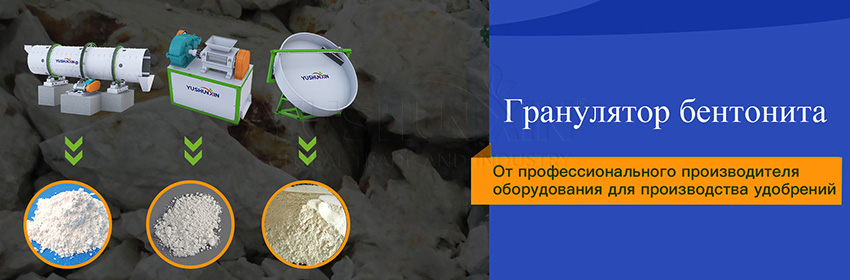
Празднование Дня образования Китайской Народной Республики: гранулятор для бентонита SXYZ-3000 по специальной цене всего за 450 долларов США!

Уважаемые предприятия и партнеры в сфере сельского хозяйства,

По случаю празднования Дня образования Китайской Народной Республики мы рады предложить вам специальную акцию на наш гранулятор для бентонита SXYZ-3000. Как производитель оборудования для производства удобрений, стремящийся к модернизации сельского хозяйства, мы понимаем насущную потребность в высокоэффективном и высококачественном оборудовании. В эти знаменательные дни мы предоставляем нашим партнерам уникальную возможность приобрести оборудование. Гранулятор для бентонита SXYZ-3000 предлагается по специальной цене всего за 450 долларов США в период празднования!

Дисковый гранулятор SXYZ-3000 производит бентонитовые гранулы.

Наш гранулятор для бентонита SXYZ-3000 оснащен передовой технологией грануляции, которая эффективно повышает эффективность гранулирования бентонита и различных исходных материалов, обеспечивая производство качественной продукции удобрений. Это не только удовлетворяет потребности растений в питательных веществах, но и улучшает структуру почвы, повышает ее плодородие и способствует устойчивому развитию сельского хозяйства.

Ниже представлены основные преимущества гранулятора для бентонита SXYZ-3000:

– **Высокая эффективность грануляции**: быстрое смешивание, точная грануляция, обеспечивает равномерные и гладкие гранулы, повышая качество готовой продукции.
– **Экономия энергии и снижение расходов**: уникальная концепция дизайна и энергосберегающие технологии сокращают энергопотребление и производственные затраты.
– **Простота в эксплуатации**: высокоавтоматизированная операционная система, упрощает процесс управления и сэкономит человеческие ресурсы.
– **Надежность и долговечность**: долгий срок службы, низкие затраты на обслуживание, обеспечивает стабильные производственные потребности на долгое время.
– **Комплексное послепродажное обслуживание**: мы предлагаем полный спектр услуг после продажи, от установки и настройки до регулярного технического обслуживания, чтобы вы могли использовать оборудование без забот.

В эти праздничные дни, выбрав гранулятор для бентонита SXYZ-3000, вы выбираете эффективного, экономичного и надежного партнера для производства удобрений, который поможет вам в сельскохозяйственном производстве. Это специальное предложение мы делаем в знак благодарности обществу и в поддержку коллег по отрасли в их совместном развитии.

Не упустите эту уникальную возможность продвижения и присоединитесь к нам на новом пути модернизации сельского хозяйства. Количество ограничено, кто первый придет – тот и получит. Если вы упустите этот шанс, возможно, придется ждать целый год!

Свяжитесь с нашей командой продаж, чтобы получить дополнительную информацию или оформить заказ. Мы с нетерпением ждем возможности сотрудничества с вами, чтобы вместе отпраздновать национальный праздник и создать прекрасное будущее!

В заключение, мы желаем нашим клиентам и партнерам счастливого Дня образования Китайской Народной Республики, процветания в делах и богатого урожая!

Контактная информация:

С уважением,
Yu Shunxin
2024.9.30

How Much Does a Compost Fertilizer Granulation Line Cost?

Embarking on the journey to establish a compost fertilizer granulation line is a commendable step towards sustainable agriculture and waste management. However, one of the critical considerations for any entrepreneur or farmer is the cost involved. While the exact cost can vary drastically based on numerous factors, this blog aims to provide you with a detailed overview of cost in setting up a compost fertilizer granulation line.

Compost pellet making line process

Initial Equipment Costs

The heart of any granulation line is its equipment. The compost pellet making line cost includes:

1. Composting Turner: To facilitate the aerobic decomposition of organic waste, an efficient composting turner is necessary. Prices range from $3,000 to $30,000, depending on the size and technology.

2. Crusher: To ensure that raw compost materials are finely crushed, a crusher is used. Depending on capacity, price can vary between $1,000 to $10,000.

3. Mixer: A mixer ensures that the compost is homogeneously mixed with other materials. Costs typically range from $2,000 to $15,000.

4. Pellet Mill or Granulator: The most critical piece of equipment, the granulator, converts compost into pellets. The common compost pellet machines prices is between $10,000 and $80,000, depending on capacity and additional features.

5. Dryer and Cooler: These are needed to reduce the moisture content of the pellets and ensure they are stable for storage. Combined, these units can cost between $15,000 and $50,000.

6. Screening Machine: This equipment ensures the uniform size of pellets. Prices range from $5,000 to $30,000.

7. Packaging Machine: To bag and seal the final product, a packaging machine is necessary. Costs can range from $5,000 to $20,000.

Click here to learn more.

Auxiliary Costs

In addition to the core equipment, several auxiliary costs need to be considered for compost granule manufacturing plant budget:

1. Installation and Commissioning: Professional installation and commissioning services can add another $10,000 to $30,000 to your budget.

2. Land and Building: Depending on your location, the cost of land and constructing a suitable building can range from $50,000 to $500,000.

3. Operational Costs: These include labor, electricity, water, and maintenance. Initial operational costs might be $10,000 to $50,000 annually but will vary based on scale.

4. Licenses and Permits: Acquiring the necessary permits and licenses can cost between $5,000 to $15,000, depending on local regulations.

Total Estimated Cost

Summing up the various components, a small-scale compost fertilizer granulation line could cost around $100,000, while a medium-scale  might range from $200,000 to $500,000. For a large-scale compost granulation line price, the costs could exceed $1 million.

Conclusion

While the initial investment might seem substantial, the long-term benefits of producing high-quality compost fertilizer can be immense. If you want to get precise quote for compost granulation machines, you can visist https://www.granulatedcompostsolutions.com/product/granular-compost-fertilizer-plant-cost/

The Benefits of Using Machines in Cow Dung Fertilizer Production

In the quest for sustainable and efficient farming, the agricultural sector is increasingly turning to technology. One area where this shift is particularly evident is in the production of cow dung fertilizer. While traditional methods have their merits, the advantages of using machines for cow dung fertilizer making are compelling. Here’s why machines are becoming indispensable in cow dung fertilizer production.

Efficiency and Speed

One of the most significant benefits of using cow dung fertilizer machine is the dramatic increase in efficiency and speed. Manual methods are labor-intensive and time-consuming, often requiring days or even weeks to process large quantities of dung. Machines, on the other hand, can handle vast amounts of material in a fraction of the time, enabling farmers to produce more fertilizer at a faster rate. The cow dung fertilizer equipment capacity can reach 30 t/h. This efficiency translates to more time for other critical farming tasks.

Consistency and Quality Control

When cow dung is processed manually, the quality of the fertilizer can vary. Factors such as inconsistent mixing and improper decomposition can lead to subpar fertilizer. Cow manure fertilizer mixer achines eliminate these inconsistencies by ensuring uniform mixing, proper aeration, and optimal moisture levels. The result is a high-quality, homogeneous product that consistently meets the nutritional needs of crops.

Labor Savings

Manual fertilizer production requires a significant amount of physical labor, which can be both exhausting and time-consuming. By automating the cow manure fertilizer manufacturing process with machines, farmers can save considerable labor. The workers of a cow manure fertilizer making line only 3-5 persons. This not only reduces physical strain on workers but also lowers labor costs, freeing up resources for other essential farm activities. In the long run, these labor savings can have a substantial positive impact on a farm’s profitability. Click here for more details.

Better Hygiene and Safety

Handling cow dung manually can pose health risks, including exposure to harmful pathogens. Machines offer a safer, more hygienic alternative by minimizing direct contact with the dung. This reduction in manual handling decreases the risk of contamination and promotes a cleaner working environment, safeguarding both workers and livestock.

Scalability

For farms looking to expand operations, scalability is a crucial factor. Manual methods struggle to keep pace with increasing demand, whereas machines can easily be scaled up to large scale cow manure fertilizer making for handling larger volumes of cow dung. This adaptability ensures that farms of all sizes can benefit from mechanized fertilizer production, facilitating growth and expansion without compromising efficiency.

Large scale cow manure fertilizer making line

Environmental Benefits

Using machines for cow dung fertilizer production contributes to environmental sustainability. Machines are designed to optimize the decomposition process, reducing greenhouse gas emissions and promoting the efficient recycling of organic waste. This eco-friendly approach aligns with sustainable farming practices and helps mitigate the environmental impact of agricultural operations.

Conclusion

Switching from natural and manual methods to mechanized production of cow dung fertilizer offers a multitude of benefits. From enhanced efficiency and quality control to labor savings and environmental sustainability, machines provide a modern solution to an age-old agricultural practice. By embracing this technology, farmers can improve productivity, reduce costs, and contribute to a more sustainable future for agriculture. If you are intertest in the project, you can visit https://fertilizerequipmentmanufacturer.com/cow-dung-fertilizer-machine/ for more detials.

Fermentation Tank For Cow Dung Bio Fertilizer Composting

Cow dung is a common farmyard manure raw material. The output of cow dung is very large. On average, a cow produces about 20 kilograms of manure a day, and a farm with 50 cows produces about one ton of manure a day. A large amount of cow dung accumulation will seriously pollute the surrounding environment. Fermenting cow manure compost and making cow dung into bio-fertilizer is a good way to solve this problem. But the traditional cow dung composting method is slow and the deodorizing effect is not obvious. It only takes about seven days to compost cow dung bio-fertilizer with fertilizer fermentation tank.

Production process of cow dung compost

When you astart cow dung bio-fertilizer production for the first time, the fermentation bacteria must be added at the same time as the raw materials are added.

After fermentation, there is no need to add fermentation bacteria when feeding again, and the microorganisms produced in the tank can continue to ferment.

The cow dung fermenter equipment uses the decomposition of aerobic microorganisms in nature to compost cow dung. The activity of aerobic microorganisms undergoes continuous aerobic fermentation in a closed fermenter to decompose organic matter. The high temperature generated by itself will decompose the material, kill pathogens and other harmful substances, reduce the moisture content of the material, reduce the volume, and eventually produce a bio-organic fertilizer rich in a large amount of organic matter. Aerobic fermentation is a treatment method for obtaining organic fertilizer with less odor and energy saving.

Cow dung compost made by fermentation tank

Cow dung fermentation organic fertilizer fermentation tank process:

The processing of cow dung with organic fermentation tank generally includes four processes of feeding, high-temperature fermentation, decomposing, discharging, and stacking and stabilizing treatment.

  • Material loading: Put the material into the hopper with a bucket truck, and automatically load the material into the fermentation tank with one key.
  • High-temperature fermentation and decomposing: the vertical fermentation tank has a vortex air pump to send oxygen through the aeration holes on the stirring shaft, and at the same time the stirring shaft is stirring, and the temperature is gradually raised to 50-65 degrees under the action of aerobic bacteria agent. After more than 7 days of high-temperature fermentation Ripe. Effectively kill insect eggs, pathogenic bacteria and weed seeds, and achieve harmless and reduction treatment standards.
  • Material discharge: The material in the fermentation chamber falls layer by layer under the stirring of the main shaft and the action of gravity. After the fermentation is completed, the finished material is discharged from the discharge port

After the livestock and poultry manure is fermented by the bio-organic fertilizer and the fermenter, the fertilizer effect is better, the use is more convenient, and the utilization rate of chemical fertilizers can also be improved. The two can not only ferment cow dung, but also various poultry manure such as chicken manure, sheep manure, pig manure can be fermented into bio-organic fertilizer, and the fermentation method is basically the same. Click here to learn more about fermentation tank

Afterwards, as long as the normal feeding and production keep the fermentation process going, comprehensive stirring, ventilation, heat insulation and other measures are realized through the operation of the fermenter, and an excellent environment suitable for microbial reproduction can be created, the reproduction speed of microorganisms can be greatly accelerated, and the “biological fermentation” can be promoted. -The process of “harmless treatment of livestock and poultry manure and carcasses” realizes large-scale and factory-like treatment. If you are interasted in cow dung compost making, you can visit https://fertilizerequipmentmanufacturer.com/how-to-make-compost-with-cow-dung/ for more details.

How To Use Organic Waste As Fertilizer

Organic waste is mainly organic waste discharged from agricultural production, agricultural product processing, and urban and rural residents’ lives. According to different sources, it can generally be divided into primary production waste (such as straw, grasses, branches, etc.), secondary production waste (such as poultry manure, livestock manure, etc.), agricultural and livestock product processing waste (such as bran, cake, sawdust, saccharomal, distiller’s grains, sugarcane residues, etc.).

Every year, a large amount of organic waste is produced in our country, including more than 50 billion kg of crop straw, more than 16 billion kg of forestry waste such as sawdust and wood shavings, and more than 134 billion kg of animal manure. And with the development of industrial and agricultural production and population growth The increase is also increasing at a rate of 5%-10% per year. But they are excellent materials for organic fertilizer preparing. For example:

Using animal manure and straw as fertilizer

Because livestock and poultry manure contains a large amount of organic matter and various nutrients required by crops. So using animal manure as organic fertilizer is an ideal choice to disposal of organic waste. Straw can be used to absorb sewage from livestock yards, and ammonia gas in sewage can ammonify straw to produce quality organic fertilizer. This not only solves the environmental pollution problems of livestock and poultry breeding and straw burning, but also increases organic fertilizer using, reduces the amount of chemical fertilizer, and promotes the development of ecological and organic agriculture. Click here for more about manure organic fertilizer production.

Using animal manure as fertilizer

Making sludge as organic fertilizer

Sludge fertilizer production integrates sludge reduction, harmlessness, stabilization and resource utilization. It makes full use of the characteristics that the sludge contains a large amount of nitrogen, phosphorus, potassium required for plant growth and development. So preparing  organic fertilizer from sludge is an good idea to treat large-scale treatment of sludge . After  fermenting with professional compost machine, the content of effective nutrients o sludge is increased, the odor of the sludge is eliminated, and the content of harmful substances is reduced. Studies have shown that rational application of activated sludge can improve soil, increase soil fertility and improve crop yield and quality without polluting soil and crops. These studies have laid a certain foundation for the development and utilization of my country’s huge sludge resources.

To sum up, for organic agriculture, a large amount of organic waste is a material that is discarded as a hazard and used as a treasure. Seeking effective ways to make use of organic waste, and to strengthen the resource utilization of organic waste will contribute to the conservation of nature. It is of great significance to conserve resources, prevent environmental pollution, and realize a virtuous circle of ecological economy. If you want to know more about it, you can visit https://fertilizerequipmentmanufacturer.com/organic-fertilizer-production-equipment/

How To Dispose Of Animal Manure In Farm

With the country’s further emphasis on environmental protection, livestock and poultry manure in the breeding industry is also one of the main sources of environmental pollution. But at the same time, if the livestock and poultry manure is processed, it is also a valuable organic fertilizer resource.Through processing animal manure into quality fertilizer  can not only turn waste into treasure, but also realize the reuse of resources. At the same time, it can also reduce the pollution of the environment and prevent the spread of diseases.

Using animal manure as fertilizer

Then what is the process of manure fertilizer making?

First of all, we need to ferment the collected livestock and poultry manure. There are many ways to ferment. You can choose a fermenter to ferment, build a fermenter to store in a fermenter, or the most primitive stacking for fermentation. It is necessary to add corresponding auxiliary materials (straw, bean dregs, humic acid, etc.) to ferment the fermentation tank or fermenter to increase the organic matter in the raw materials and accelerate the fermentation stage. The fermentation agent has the main functions of deodorizing, sterilizing, decomposing harmful substances in livestock and poultry manure, killing weeds, and accelerating the fermentation cycle. The original composting fermentation has a long fermentation period, which pollutes the environment more, and the harmful substances in the manure of livestock and poultry cannot be effectively removed. In the tank fermentation, it is necessary to turn over the manure of livestock and poultry, so that the microbial agent can better reproduce and decompose the harmful substances in the raw materials. Therefore, in the fermentation stage, it is necessary to use compost making machine (hydraulic turning machine, roulette turning machine, chain plate turning machine, etc.).

After the materials are fermented, turned and decomposed, they need to be transported to the secondary storage area with a forklift. Use a forklift to transport the material to the organic fertilizer forklift feeding bin, and through the uniform feeding and unloading of the forklift feeding bin, use the belt conveyor to transport the material to the organic fertilizer semi-wet material grinder for crushing. The material crushed by the pulverizer is transported to the organic fertilizer powder screening machine through the belt conveyor. The screened material can be directly packaged into powder organic fertilizer, and can also be used as the raw material of granular organic fertilizer. Click here for organic fertilizer business plan

If it is necessary to add nitrogen, phosphorus and potassium (NPK) elements to the sieved powdered organic fertilizer to make organic compound fertilizer, the powdered raw material and nitrogen, phosphorus and potassium (NPK) need to be transported to the organic fertilizer horizontal mixer in a certain proportion for stirring Mixing, conveying to the organic fertilizer granulator machine(new organic fertilizer granulator, disc organic fertilizer granulator, drum organic fertilizer granulator, stirring tooth organic fertilizer granulator, etc.) through the belt conveyor for granulation , the particles are transported to the organic fertilizer dryer by the belt conveyor for drying, and then transported to the organic fertilizer cooler by the belt conveyor for cooling after drying, and the cooled particles are transported to the organic fertilizer particle screening machine by the belt conveyor for further processing. The finished product is screened, and the unqualified products are pulled back to the pulverizer through the return belt conveyor for pulverization or directly equipped with the pulverizer for pulverization, and then continue to the granulation stage after pulverization. The finished product that passes through the organic fertilizer screening machine is transported to the organic fertilizer finished product silo by a belt conveyor, temporarily stored in the finished product silo, and then packaged by an organic fertilizer automatic packaging machine. Packed and stacked in the finished product area. If you want know more organic making systems, you can visit https://fertilizerequipmentmanufacturer.com/how-to-make-organic-fertilizer/

In the end, the harmful livestock and poultry manure becomes an organic fertilizer that is beneficial to the land and the environment. The centralized and harmless treatment of livestock and poultry manure has also produced certain economic benefits. It has avoided environmental pollution for the environment and provided high-quality organic fertilizers for the land. It really serves multiple purposes.

How To Purchasing The Suitable Fertilizer Granulator Machine

Are you presently thinking about buying a suitable fertilizer granulator machine? Do you have fixed an affordable budget? Are you aware the main difference between different kinds of machines? Are you worried about the retail price? First of all, you need to understand that you have hundreds of manufacturers of fertilizer granulation machines.

Although all of these machines might look a similar, there is lots of difference in the quality and performance of the machines. Many beginners who have no idea any better often have the mistake of selecting a machine only on such basis as its initial price. In this post, we are going to discuss the way you ought to go about picking the right equipment for fertilizer granulation.

It is essential you must know about buying this machine is that you simply must not purchase one only on such basis as its initial price. With that in mind, all of us want to spend less and most of the time, buyers have a tendency to select a machine available at the smallest price. However, you need to realize that a cheaper machine often ends up being far more expensive in the end. SX can provide you with economical fertilizer granulator with high quality.

If this seems counterintuitive, you must consider why is a machine cheaper. High-quality materials will cost more in comparison with lower quality materials. Similarly, cheaper machines often do not pay any focus to the design and style elements. Cheaper machines often do not possess services network therefore you will be unable to get replacement parts or technicians for servicing and repair of the equipment. Here, SX fertilizer pellet making machine is an ideal choice. It has the best after-sales services, including replacement, impairing, guidance on installtion and operation, etc.

For this reason you need to focus on the quality of materials employed for making the appliance. In many instances, the majority of the components of this equipment is made out of steel. The grade of steel matters a good deal. Because it is extremely difficult to determine the quality of steel employed for making machines, manufacturers rely on the original source of your steel. In case the steel is sourced from the reputed manufacturer, it will not possess any issues. SX fertilizer equipment usually is made of  anti-corrosion alloy steel, which can greatly improve the quality of granulator.

Granulator machines in SX for fertilizer production

The design and style also makes plenty of difference. Cheaper machines often copy other designs but manufacturers of cheaper machines usually do not really understand the necessity of different elements of design. Cheaper machines, therefore, usually are not as efficient as machines that are designed for efficiency and yield.

Simply speaking, you will find yourself  paying much more money for replacement components and also for higher fuel consumption. That is why a cheaper machine could eventually turn into a far more expensive purchase than expected.

You should be wondering the method that you ought to go about purchasing the suitable granulator machine. In order to obtain the best value for your money, you must target the quality of components, the trustworthiness of the producer, real-world performance of your machine, customer reviews, the option of replacement parts, accessibility of service technicians, fuel efficiency as well as other such factors. Begin your research by comparing various models on such basis as features and also price. When the price and features are similar, pick a machine manufactured by a reputed manufacturer. Click here for SX fertilizer pelleting machine

Overall, you can find|there are actually countless manufacturers of fertilizer granulation machines but it might be an error to purchase this machine only based on the initial price. You must center on product polity as well as the manufacturer’s reputation to produce a good choice and set up a powerful foundation for long-term success with fertilizer production business. If tou want to get more information of fertilizer granulation machine, there is https://fertilizerequipmentmanufacturer.com/fertilizer-granulator-machine/ for your reference.

Area Occupied By The Organic Fertilizer Factory

In many consultations, I found that some friends are more concerned about the area occupied by the organic fertilizer production factory. The following is a brief summary of the area occupation of different annual output fertilizer making.

Organic fertilizer plant layout

Under normal circumstances, an organic fertilizer factory needs a raw material temporary storage area, a high-temperature aerobic fermentation and decomposing area, an aging area, a fertilizer making area, a finished product area, and an office building.

  1. Temporary storage area for raw materials: it is only used for temporary storage of poultry manure and straw auxiliary materials. If it does not rain frequently in the local area, it can be used in the open air.
  2. Fertilizer high-temperature fermentation and decomposing area: need to build a factory building with a height of more than 5 meters. The ceiling of the workshop can be designed with color steel + sunshine board.
  3. Aging area: This area is only used for decomposing and aging fermented materials. It does not have high requirements for the factory building, and only needs to be treated with rain protection.
  4. Fertilizer making area: This area is mainly used for fertilizer formulation and packaging, and the plant height needs to be more than 6 meters. This is the space for organic fertilzer manufacturing line location.
  5. Finished product area: This area mainly places finished fertilizers, and the height of the plant needs to be more than 6 meters. Click here for process organic fertilizer making
  6. Office building: It is mainly an area for people to work and discuss business.
Organic fertilizer factory making line

The area that the organic fertilizer plant needs to occupy.

Estimation of suitable land area for organic fertilizers with different annual yields:

500 tons of organic fertilizer plant required site area: 2,000 acres

1000 tons of organic fertilizer plant required site area: 2,600 acres

2000 tons of organic fertilizer plant required site area: 3,300 acres

5,000 tons of organic fertilizer plant required site area: 5,300 acres

10,000 tons of organic fertilizer plant required site area: 10,000 acres

20,000 tons of organic fertilizer plant required site area: 20,000 acres

30,000 tons of organic fertilizer plant required site area: 30,000 acres

The required site area for a 50,000-ton organic fertilizer plant: 50,000 acres

100,000 tons of organic fertilizer plant required site area: 100,000 acres

An independent organic fertilizer factory with a capacity of more than 100,000 tons (an organic fertilizer factory with a daily raw material consumption of about 450 tons and a daily production of 300 tons) is rare.

PS: The above plant area is only an estimate, and the actual occupied area needs to consider production line configuration, production line layout and other factors.

More details of organic fertilizer production, please click https://fertilizerequipmentmanufacturer.com/how-to-make-organic-fertilizer/