What equipment is needed to produce granular organic fertilizer?

What are the common equipment for granular organic fertilizer production line?

Organic fertilizer equipment classification:

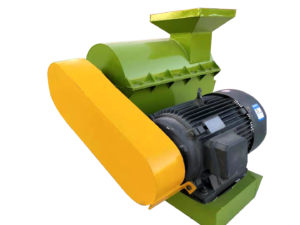
1. Crushing equipment
The new type semi–wet material crusher-vertical crusher and horizontal crusher, the internal structure has chain type and hammer type. There is no screen, even if the material is smashed out of the water, it will not be blocked.
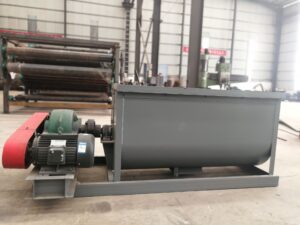
2. Mixing equipment
Mixing mixers–including vertical mixers, horizontal mixers, dual-shaft powerful mixers, drum mixers, etc. The internal stirring structure is divided into stirring knife type, spiral type, etc. Design a suitable mixing structure according to the characteristics of the material. The discharge port is designed for cylinder control and baffle control.
3. Conveying equipment
Belt conveyors–mobile belt conveyors, fixed belt conveyors, etc., belt conveyors are economical logistics conveying equipment that is indispensable for forming a rhythmic flow line. It has strong conveying capacity, long conveying distance and simple structure. It is easy to maintain and can easily implement many features of programmed control and automatic operation.
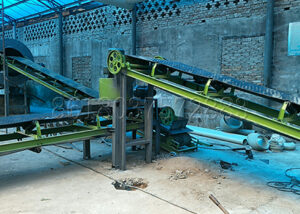
4. Granulation equipment
Special granulator for organic fertilizer-including disc granulator, new wet granulator, round thrower, drum granulator, roller granulator, etc. According to the characteristics of raw materials, select the appropriate granulator.
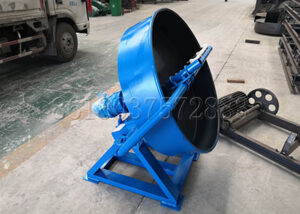
5. Drying and cooling equipment
Rotary dryer-alias drum dryer, biological organic fertilizer dryer, because the temperature of organic fertilizer can not exceed 80 ° when drying, so the dryer adopts hot air drying mode.


Cooler—similar in appearance to dryer, but with different material and performance.

7. coating equipment
Particle Coating Machine–The appearance of the main machine is similar to that of the dryer and the cooler, but the internal structure is quite different. Stainless steel plate or polypropylene lining is used inside the coating machine. The whole machine includes matching powder machine and oil pump.
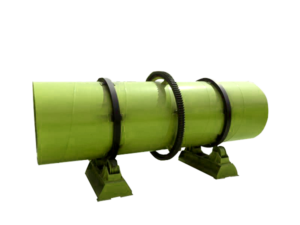
8. Automatic packaging equipment
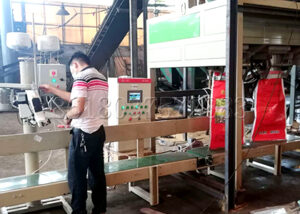
Automatic weighing and packaging machine-including spiral type and DC type, single head and double head, made of stainless steel and carbon steel, customized according to the actual needs of customers.
Fellow or contact me to learn more details for your fertilizer plant.

Email: info@fertilizer-plants.com

Phone: +86 180 3757 2883
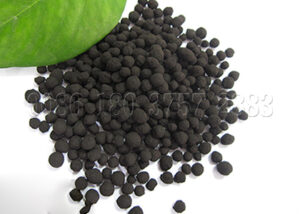
Do you know the five benefits of organic fertilizer?

Five benefits of organic fertilizer.

1. Provide comprehensive nutrients.

Organic fertilizer is a complete fertilizer which contains the nutrients and various beneficial elements needed by crops, and the nutrient ratio is comprehensive, which is conducive to crop absorption. Therefore, the more organic fertilizer is applied, the more beneficial the balance of soil nutrient ratio, the more beneficial the absorption and utilization of soil nutrients by crops, and the more organic fertilizer will not cause a large increase in soil nutrients and destroy soil nutrients balance.

2. Reduce nutrient fixation and improve nutrient availability

Organic fertilizers contain many organic acids, humic acids, hydroxyl and other substances. They all have strong chelating ability and can chelate with many metal elements such as manganese, aluminum, iron, etc. to form chelates, which can reduce the effect of manganese ion on crop The harm. It can also prevent aluminum and phosphorus from combining into closed storage phosphorus that is difficult to be absorbed by crops and become invalid, greatly improving the effectiveness of soil available phosphorus.

3. Promote the breeding of soil microorganisms

Organic fertilizers contain a large amount of organic matter and are a place where various microorganisms grow and breed. According to research, deep tillage combined with application of organic fertilizer, soil nitrogen-fixing bacteria nearly doubled compared with the control, fiber decomposing bacteria increased nearly twice, and other microbial communities also increased significantly, so applying organic fertilizer can greatly promote the maturation process of newly reclaimed land.

4. Improve soil fertility and water retention capacity

All organic fertilizers have strong cation substitution ability, can absorb more potassium, ammonium, magnesium, zinc and other nutrients, prevent leaching and improve soil fertility retention ability, especially decomposed organic fertilizer. obvious. In addition, organic fertilizer also has a strong buffering capacity, which can prevent acidity changes and soil compaction caused by long-term application of chemical fertilizers, improve the soil’s own stress resistance, and ensure a good soil ecological environment.

5. Accelerate the formation of soil aggregates and improve soil physical and chemical properties

Organic-inorganic aggregates are an important indicator of soil fertility. The more its content, the better the physical properties of the soil, the more fertile the soil, the stronger the soil, water, and fertilizer retention capabilities, the better the aeration performance, and the more conducive to the growth of crop roots.

How do you need to produce organic fertilizer? Follow to learn more.

How much one ton organic fertilizer production line?

How to caculate the prganic fertilizer production cost?

Speaking of the cost of a ton of organic fertilizer, take pig manure as an example: an average pig produces four catties of wet manure a day, and the purchase price of 1 ton of pig manure is US$80 including freight. After treatment, it can roughly produce 250 kg of organic fertilizer. If an organic fertilizer production line with an annual output of 20,000 tons is calculated on the basis of a 20-year service life, the cost of one ton in the past was about 400 US dollars, and now it needs 800 US dollars. Around two hundred dollars.

Examining the cost calculation, the organic fertilizer industry is a tax-free enterprise and an environmentally friendly ecological industry. The organic fertilizer market has considerable subsidies. Therefore, investment in the organic fertilizer industry is a very good choice for both the prospects and the market!

The cost and profit of one ton of sheep manure organic fertilizer or chicken manure organic fertilizer is equivalent to that of pig manure. There are two main factors affecting the cost: one is the difference in local market prices when purchasing organic fertilizer production raw materials; the other is the purchase of organic fertilizer equipment the cost of.

What are the raw materials for the production of organic fertilizer:

The raw materials are animal manure (chicken manure, cow manure, sheep manure, pig manure, etc.), urban organic waste, straw, sludge, etc. as raw materials for biological fermentation to produce organic fertilizer.

Understand the cost of organic fertilizer raw materials, and then understand the cost of purchasing organic fertilizer equipment. The equipment used in the production of organic fertilizer can be divided into two categories according to the production scale: one is to purchase a complete set of organic fertilizer equipment, establish a production workshop, and produce organic commodities in large quantities for a long time. fat. At this time, there are more than 10 kinds of equipment used, and the relative purchase cost will be higher. The advantage is that the production is more automated and the price of the commercial organic fertilizer produced is higher. Second, the raw materials for organic fertilizer production are limited, so you don’t want to invest too much, so you only need to purchase a suitable organic fertilizer fermentation equipment-a compost fermentation turner to complete daily organic fertilizer production.

Introduction of organic fertilizer fermentation equipment:

Fermentation of organic fertilizer requires the use of a turning machine (also called a turning and throwing machine), which is suitable for continuous fermentation of organic fertilizer plants. The equipment is characterized by tight structure, advanced technology, short fermentation period (7-10 days), low energy consumption and stable product quality.

With the rapid development of industry, agriculture and cities, the massive discharge of urban garbage, waste, and livestock and poultry manure from farms has brought great harm to the surrounding ecological environment and disease prevention and control work. Therefore, the use of livestock and poultry manure, domestic garbage and waste sludge to produce organic fertilizers not only beautifies the environment, but also turns waste into treasure, which is a project that the country has vigorously promoted for a long time.

After understanding the cost of producing organic fertilizer, how much does it cost to produce 1 ton of organic fertilizer? I believe everyone can calculate this problem by themselves. After all, this cost is a variable and it is different in each region.