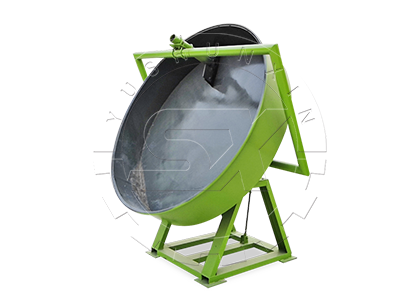
In-vessel composting is an advanced, controlled method of organic waste management, making it an ideal solution for businesses and municipalities seeking efficient and environmentally-friendly ways to process organic waste. The commercial in-vessel composting machine is designed to accelerate the decomposition process in a closed, contained environment, ensuring minimal odor, reduced space requirements, and faster compost production.
What is an In-Vessel Composting Machine?
An in-vessel composting facility is a sophisticated system that composts organic waste in a sealed container. This controlled environment allows for faster decomposition of materials like food waste, yard trimmings, agricultural residues, and other biodegradable materials. The machine regulates critical parameters such as temperature, humidity, and aeration, ensuring optimal composting conditions.
Features of a Commercial In-Vessel Composting Machine
1. Capacity: Commercial in-vessel composters sizes come in variousto cater to different scales of operations. For small businesses or restaurants, systems with a capacity of 1 to 5 tons per day are ideal. Larger facilities or municipalities may require machines capable of handling 10 to 100 tons per day or more.
2. Automated Control Systems: These machines come equipped with advanced control systems that monitor and regulate essential composting factors such as temperature, moisture levels, and airflow. Automation ensures consistent compost quality and reduces the need for manual intervention.
3. Energy Efficiency: Many commercial in-vessel composting machines are designed to be energy-efficient, using features such as heat recovery and optimized aeration systems to minimize energy consumption while speeding up the composting process.
4. Odor Control: One of the primary benefits of in-vessel composting is its ability to control fertilizer composting odors. The closed design of the system, coupled with advanced filtration systems, ensures that any odors are either neutralized or filtered out, making it suitable for urban areas or places with stringent odor control regulations.
5. Aeration and Mixing: Proper aeration is critical for efficient composting. Most in-vessel composters come with automated mixing or turning systems to ensure the organic materials are well-aerated, speeding up fertilizer aerobic fermentation and improving the final product quality.
Benefits of Commercial In-Vessel Composting Machines
1. Faster Composting: In-vessel composting speeds up the decomposition process, turning organic waste into compost in weeks instead of months. This makes it an efficient solution for high-volume waste processing.
2. Space-Saving: Unlike traditional composting methods, which require large open spaces, in-vessel composters have a compact design that can fit into a smaller footprint. This makes them suitable for urban settings or areas with limited space.
3. Environmental Impact: By diverting organic waste from landfills, in-vessel composting reduces greenhouse gas emissions and provides a valuable end product: nutrient-rich compost that can be used for landscaping, farming, and soil restoration.
4. Quality Control: The enclosed system allows for better control of the composting environment, leading to higher-quality compost with fewer contaminants and pathogens.
Price Range for Commercial In-Vessel Composting Machines
The price of a in-vessel composting equipment depends on the system’s capacity, features, and automation level. Small-scale machines can range from $15,000 to $50,000, while larger, more advanced systems can cost between $100,000 to $500,000 or more. Factors such as installation, maintenance, and additional accessories like odor control units or custom aeration systems may also affect the final price. Here, you can visit https://www.fertilizerbusinessplan.com/in-vessel-composter/ for precise quote.
Conclusion
For businesses and municipalities looking to manage organic waste efficiently, a commercial in-vessel composting machine offers a fast, space-saving, and environmentally-friendly solution. Whether you’re processing food scraps, agricultural waste, or yard debris, these machines provide a sustainable way to recycle waste into valuable compost. With a range of options available, from smaller units for local businesses to large-scale machines for municipalities, in-vessel composting is a viable investment for waste management and sustainability goals.